
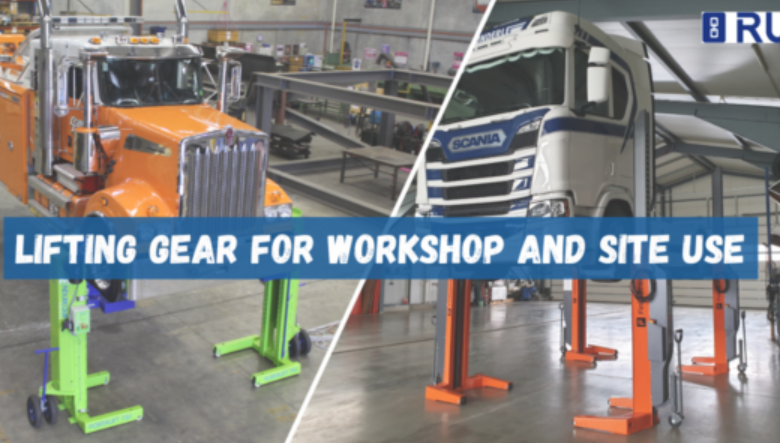
Workshops and sites require different lifting gear depending on load weight, how often it is used, and the space available. This is important because the right equipment improves safety and efficiency, while poor choices increase risk.
However, getting reliable lifting equipment is significant when your team handles heavy items daily. For this reason, many businesses rely on established suppliers like RUD Australia, which provide industrial lifting solutions for construction, manufacturing, and logistics operations across the country.
This guide covers the main types of lifting gear, how to match hooks and attachments to your loads, and where to source quality equipment when you need it. You’ll also learn about WLL ratings and why fast delivery can save your project when equipment fails.
So, let’s start.
Types of Lifting Equipment for Different Jobs
The range of lifting equipment you need depends on what you’re moving and how often you’re doing it. For instance, manual gear works fine for occasional lifts, but powered options make more sense when you’re handling heavy loads all day.
Now, let’s break down both categories in detail so you can see which fits your operation better.
Manual Lifting Gear
Among manual lifting gears, chain blocks and lever hoists handle occasional lifting jobs without needing power sources at your site. You’ll find these gears in workshops where precision is more important than speed.
Besides, hand-operated or manual gear gives you exact control when positioning loads in tight assembly areas or cramped equipment bays. That control allows you to inch a load into place without overshooting, which is harder with powered equipment running at set speeds.
Beyond these, manual lifting tools need less maintenance than powered alternatives and remain reliable for years with basic care. Furthermore, it has no motors to burn out, no electrical issues to troubleshoot (and we’ve all dealt with that frustration at the worst possible times).
Powered Lifting Solutions
During repetitive work, electric hoists and winches move lifting tasks faster by taking physical strain off your team. Construction and manufacturing sites also use these for productivity when crews handle multiple lifts per shift.
In comparison, powered equipment can handle heavier loads than manual gear while keeping safety in check. This feature provides an advantage in industrial lifting applications, too, since mining and warehousing often exceed what hand-operated tools are rated for.
And that’s where things get more interesting. It’s because modern electric units include overload protection to stop the lift before you damage equipment or create safety hazards. This way, emergency stop functions give operators immediate control if something goes wrong during a lift.
Lifting Hooks and Attachment Hardware
The best part about quality hooks is that they prevent load drops that damage equipment and injure workers. Remember, getting the attachment right counts as much as the lifting gear itself.

Now, let’s cover the hook types you’ll encounter, how to choose the right one, and what those capacity ratings mean.
Lifting Hooks At a Glance
Your lifting gear only works when the hooks are connected to the load. Even the best chain blocks or hoists need proper attachment hardware to handle rigging safely.
Generally, lifting hooks come in clevis, eye, and swivel types for different rigging setups. Each hook design suits specific lifting setups, depending on the load and attachment points (and we’ve all seen what happens when that latch fails mid-lift).
That’s how quality hooks include safety latches to keep loads secure during movement and positioning operations.
Choosing the Right Hook for Your Load
Getting your hooks matched to the job takes more than just checking the load weight. Your lifting gear’s capacity only counts if the hooks can handle it too.
Here’s what is most significant for safe rigging:
- Match hook size to your heaviest expected load, not just typical daily weights.
- Consider how sling angles increase forces beyond the load’s actual weight (a 1000 kg load at 60-degree angles puts 1150 kg on each hook).
- Inspect hooks each shift for cracks, deformation, or wear that compromises capacity.
Based on our experience at RUD’s Brisbane operations, most hook failures show visible warning signs days or weeks before they actually fail. So, catching these signs early keeps your team safe and rigging reliable.
See also: Why Commercial Wastewater Treatment Is Important for Public Health?
Understanding WLL and SWL Ratings
You might be wondering what those numbers stamped on your hooks actually mean. Well, “WLL” (Working Load Limit) shows the maximum weight your lifting gear can handle safely under normal conditions.
On the flip side, “SWL” (Safe Working Load) is an older term for the same thing. You’ll still see it on equipment that’s been in service for years, so it helps to know both terms mean identical capacity limits.
Caution: Never push past these ratings, as sling angles, equipment wear, and environmental factors like heat or corrosion already reduce safety margins. And don’t forget these ratings are based on controlled, ideal conditions, not the variable conditions found on real job sites.
Pallet Trucks and Handling Solutions That Suit Your Site
Moving materials around your workshop safely prevents injuries and keeps workflows running without equipment damage. Plus, the right handling equipment matches your site conditions and load types.
Here are the main options you’ll use on site:
- Standard Pallet Trucks: These manual carts move goods up to 2500 kg on smooth concrete floors in warehouses and manufacturing facilities. Most construction and logistics operations use these for shifting products short distances between work stations or loading bays.
- Rough-Terrain Models: On outdoor yards and uneven surfaces, larger wheels prevent the jamming issues common with standard pallet jacks. Let’s be honest here, not every job site has perfect floors (yes, even those ‘it’ll be fine’ moments we’ve all had). So, the bigger wheels handle this by rolling over gravel and obstacles that stop standard carts.
- Weighing Pallet Trucks: They include built-in scales that let you check loads before crane lifts or truck loading operations. As a result, you handle and weigh in one step, reducing delays when transport weight limits apply.
- Hand Trolleys and Platform Carts: Smaller handling tools suit lighter goods or tight spaces where full pallet trucks don’t fit. Warehousing teams also use these for individual packages or equipment that doesn’t need pallet-scale capacity.
Suggestion: Match your handling gear to where you’re actually working. That choice makes moving heavy items safer and more efficient for your team.
See also: Posts Blog Wizzydigital.Org : Read the Latest Tech Articles
Fast Delivery and Extensive Range: Getting What You Need
Downtime waiting for lifting gear costs money every hour since your crew sits idle. In such a situation, getting equipment quickly from suppliers with proper stock levels keeps your projects moving forward.
Look for these when sourcing lifting equipment:
Sourcing Lifting Gear in Brisbane and Beyond
Local Brisbane and Ipswich suppliers keep common lifting equipment in stock for same-day or next-day availability. So, you’re not waiting weeks for imports when standard chain blocks or hooks need replacing.
Sometimes, established companies also maintain an extensive range, including specialty items, which smaller suppliers don’t carry regularly. They also cover everything from basic manual handling tools to high-quality lifting equipment for mining and heavy industrial applications. It ensures you can explore solutions for unusual rigging needs without switching between multiple vendors.
Beyond that, Australian suppliers understand local compliance requirements and provide gear meeting WorkSafe standards without importing delays. That’s why the products arrive ready to use, already built to match Australian safety regulations for construction and manufacturing sites.
Fast Dispatch When Downtime Costs You
When equipment fails mid-job, fast dispatch gets replacement gear to your site before schedules slip. But wait, there’s more to it than just shipping speed.
Suppliers with multiple warehouses ship from the closest location to cut the transit time across Queensland and into other states. This approach is important when you’re coordinating equipment delivery with crew availability or project milestones that can’t shift.
At times, even same-day shipping happens for orders placed early in the morning, which prevents expensive crew idle time on jobs.
This way, fast delivery support means your team stays productive instead of standing around waiting for the right lifting solution to arrive. Besides, having reliable stock and dispatch ready when you need it helps to hit deadlines and explain delays.
Set Your Workshop Up Right
Choosing the right lifting equipment lies in matching gear to your actual needs. Manual chain blocks work for some jobs, powered solutions suit others, and pallet trucks keep materials moving safely around your site.
On top of these, understanding WLL ratings, inspecting hooks regularly, and sourcing from suppliers with proper stock levels protects your team and keeps projects on schedule.Need lifting gear that suits your workshop or construction project? Get in touch with RUD Australia to find products built for Australian mining, manufacturing, and industrial applications.